
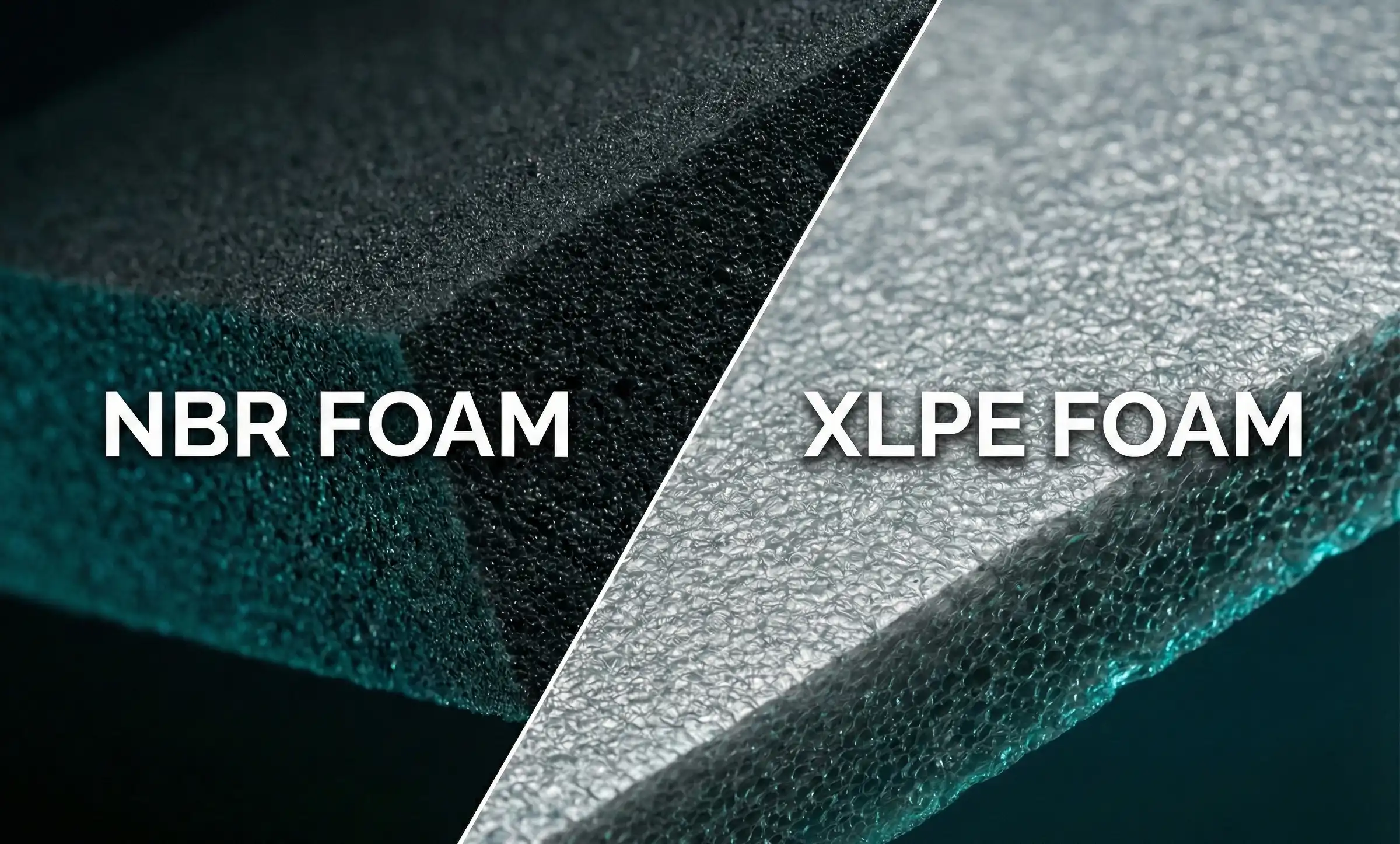
In the UAE, choosing between NBR insulation and XLPE insulation means understanding what each material does best. Both have their place in HVAC and MEP work, but they perform differently under the heat, humidity, and UV exposure that define our climate.
What is NBR elastomeric insulation?
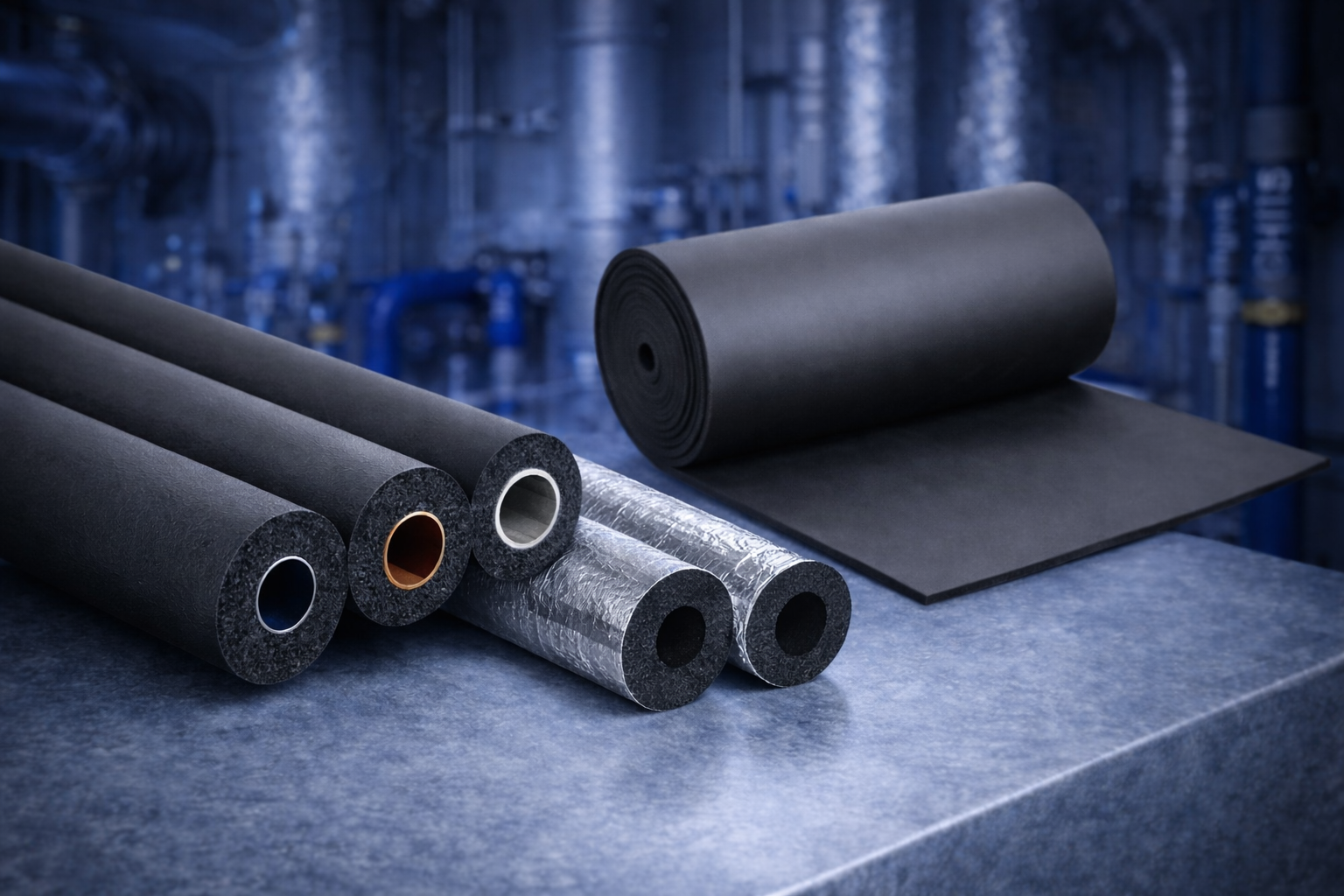
NBR, or nitrile butadiene rubber, is a closed-cell elastomeric foam. It's flexible, resilient, and handles compression well. When you wrap a chilled water line or refrigerant pipe, NBR moves with the system. It resists oil and refrigerant contact better than most alternatives. In the UAE, contractors favor NBR for critical cooling applications where the material must stay intact under thermal cycling and vibration.
What is XLPE polyolefin insulation?
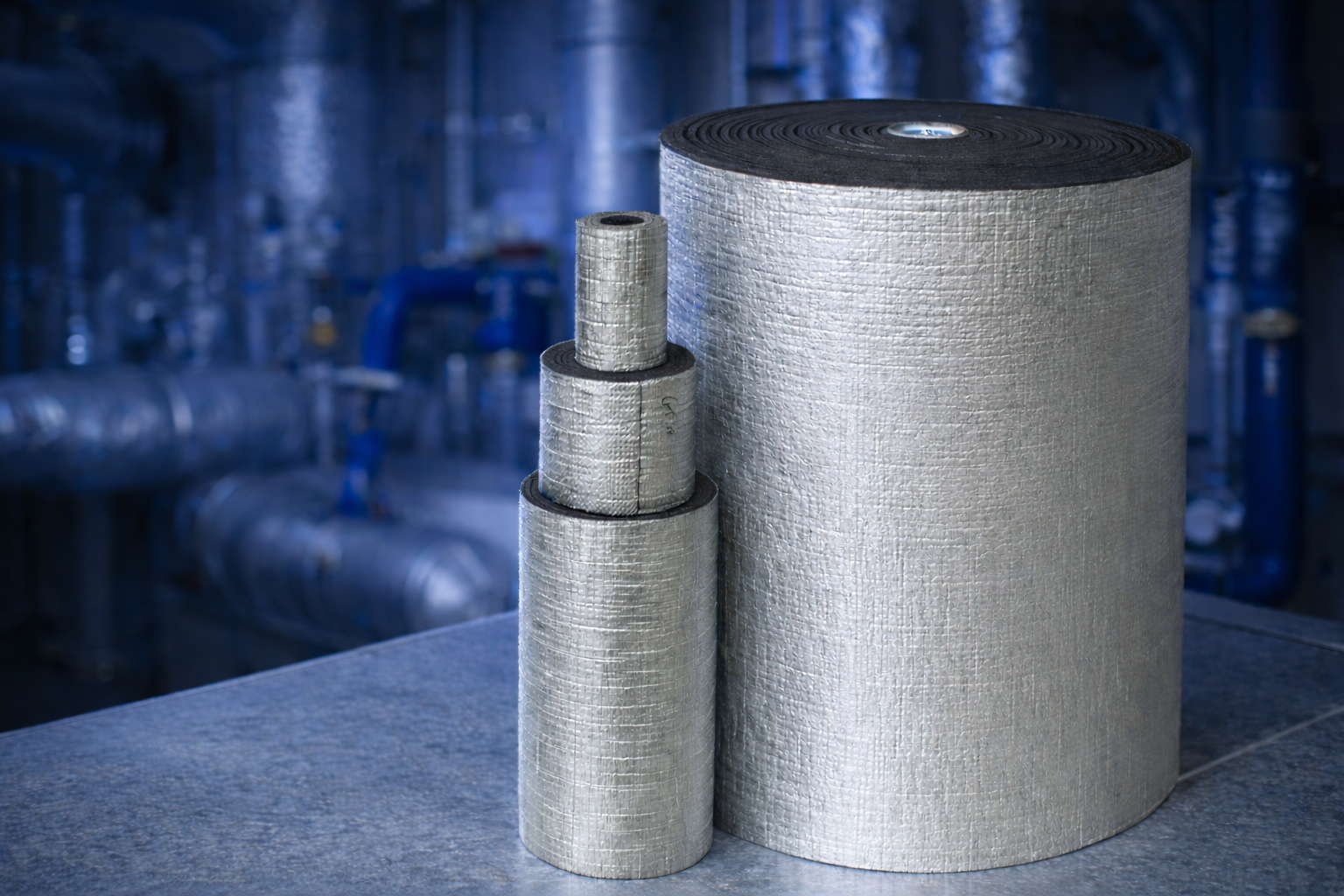
XLPE, or cross-linked polyethylene, is a lightweight foam with excellent thermal resistance. It's easier to handle on site, cuts cleanly, and costs less than NBR. XLPE works well for general insulation tasks where flexibility isn't the primary concern. It's also thinner for the same R-value, which matters when space is tight in prefab ductwork or tight mechanical rooms.
Performance in the UAE climate
The Gulf heat is relentless. Temperatures exceed 50°C regularly, and humidity near the coast can reach 90 percent. UV exposure from sun and reflected heat off metal surfaces accelerates aging. NBR handles this better than XLPE because its elastomeric structure resists UV degradation and maintains flexibility even when hot. XLPE can become brittle over time in extreme heat unless it's UV-stabilized. Both materials need proper installation and maintenance, but NBR's inherent toughness gives it an edge in harsh conditions.
Where NBR wins
NBR excels in applications demanding flexibility and durability. Pipe insulation for chilled water systems, VRF refrigerant lines, and hot water pipes all benefit from NBR's elasticity. When pipes vibrate or shift due to thermal expansion, NBR absorbs the movement without cracking. Fire resistance is another NBR strength. It meets higher flame-spread ratings than standard XLPE, making it preferred for hospitals, schools, and other sensitive facilities. NBR also resists oils and refrigerants better, so it's the choice for systems using mineral or synthetic oils.
Where XLPE wins
XLPE dominates in cost-sensitive projects and applications where weight matters. Prefab duct manufacturers prefer XLPE because it's lighter and easier to cut and fit during assembly. The material's lower cost per meter makes it attractive for large-scale projects with tight budgets. XLPE also offers good thermal performance and is available in rolls and sheets, giving contractors flexibility in how they apply it. For dry environments or indoor mechanical rooms without UV exposure, XLPE performs reliably and economically.
Compliance and health considerations - Low-VOC adhesives pair with both materials, but the choice matters in hospitals and schools. NBR systems with low-VOC adhesives meet strict indoor air quality standards. XLPE also works with low-VOC products, though NBR's superior fire ratings make it the safer choice in high-occupancy buildings. Both materials comply with UAE building codes and international standards when sourced from certified manufacturers.
Conclusion
So, here is the comparison at a glance - NBR offers flexibility, fire resistance, and durability in extreme heat. XLPE provides cost efficiency, lightweight handling, and solid thermal performance. In the UAE, the best choice depends on the application. Critical cooling systems, hospitals, and high-vibration environments call for NBR. General insulation, prefab work, and budget-conscious projects favor XLPE. Many contractors use both, selecting each material where it performs best. Understanding these differences helps you specify the right insulation, reduce callbacks, and deliver systems that last in the Gulf climate.

Get your custom HVAC solution today
Connect with our technical team for precise, engineered materials tailored to your project needs